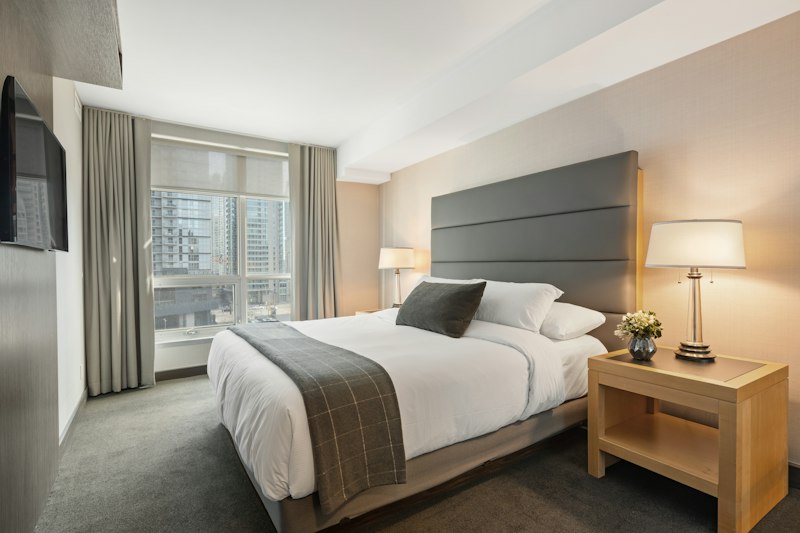
You can take every supplement, follow every sleep protocol, and nail your circadian rhythm. But if your bedroom environment is working against you, none of it matters much. Research shows that sleep environment accounts for up to 40% of sleep quality. Here are the seven changes backed by actual evidence.
1. Temperature: Cooler Than You Think
Your core body temperature needs to drop by about 1-2 degrees Fahrenheit to initiate sleep. This is non-negotiable biology.
Optimal room temperature: 65-68°F (18-20°C).
Most people keep their bedrooms too warm. A 2022 study in the journal Sleep Medicine found that room temperatures above 75°F reduced deep sleep by 25% and increased nighttime awakenings by 40%.
Practical tips:
- Set your thermostat to drop at bedtime
- Consider a cooling mattress pad (Eight Sleep, ChiliPad) if you run hot or share a bed with someone who prefers it warmer
- Take a warm shower 60-90 minutes before bed. This sounds counterintuitive, but it triggers a rapid core temperature drop that promotes sleepiness
2. Darkness: Total Blackout
Even dim light during sleep suppresses melatonin and disrupts sleep architecture. A Northwestern University study found that sleeping with even a moderate amount of light (like a TV or streetlight through curtains):
- Increased heart rate during sleep
- Reduced time in deep sleep and REM
- Increased insulin resistance the following morning
- Blackout curtains (not the cheap kind, get thermal blackout with velcro edge sealing)
- Cover or remove all LED standby lights (TV, charger, smoke detector). Use electrical tape
- If full blackout isn't possible, a quality sleep mask works. Look for contoured masks that don't press on your eyelids
3. Sound: Consistency Over Silence
Absolute silence isn't necessary (and for city dwellers, impossible). What matters is consistent sound. It's the sudden changes, a car horn, a dog bark, a partner's snoring, that fragment sleep.
- White noise or brown noise machines mask disruptions effectively
- Keep volume at 40-50 decibels (about the volume of a quiet conversation)
- Avoid using your phone as a sound machine. Notifications can still come through, and the temptation to check it is real
- If you use earplugs, silicone or wax earplugs are more comfortable for side sleepers than foam
4. Your Mattress: Firmness Matters More Than Brand
The mattress industry spends billions on marketing, but the research is simple: medium-firm mattresses produce the best sleep outcomes for most people.
A Lancet study found that medium-firm mattresses reduced back pain by 48% compared to firm mattresses, and participants reported better sleep quality and less daytime dysfunction.
Red flags that your mattress is the problem:
- You sleep better in hotels consistently
- You wake with stiffness or pain that fades within an hour
- Your mattress is over 7-8 years old
- You can feel springs or see visible sagging
5. Pillows: Alignment Over Loft
Your pillow's job is to keep your cervical spine neutral, meaning your head, neck, and spine form a straight line.
- Side sleepers: Need a thicker pillow (4-6 inches) to fill the gap between shoulder and head
- Back sleepers: Need a thinner pillow (3-4 inches) to avoid pushing the head forward
- Stomach sleepers: Should use an almost flat pillow, or no pillow at all
6. Air Quality: The Forgotten Factor
Most people never think about bedroom air quality, but research shows it directly affects sleep:
- High CO2 levels (from sleeping in a closed room) impair deep sleep and increase next-day grogginess
- A study from the Technical University of Denmark found that opening a window or door during sleep improved sleep quality and reduced next-morning sleepiness
- Crack a window if noise and temperature allow
- Run an air purifier with a HEPA filter (especially if you have allergies)
- Keep humidity between 30-50%. Too dry irritates airways; too humid promotes mold and dust mites
7. Remove Screens from the Bedroom
This is the simplest and most effective change, and the hardest one for people to make. Having your phone within arm's reach:
- Tempts you to check it (even a quick glance at a notification activates your brain)
- Emits light even on standby
- Creates a psychological association between your bed and stimulation
"Your bedroom should have two purposes: sleep and intimacy. Everything else, screens, work, eating, should happen somewhere else. Your brain needs to associate that room with rest."
Start With Two
Don't try to overhaul everything at once. Pick the two changes that apply most to your situation and implement them for two weeks. Most people start with temperature and darkness because they're easy and the impact is immediate.